Schools rest at a joint where education, well-being, and legislation satisfy. Every teacher, aide, and institution leader sees youngsters up close for hours weekly, which indicates they are often the initial to observe when something is wrong. Mandatory child protection training is not just an additional compliance box. It is the framework that assists grownups translate weak signals, respond without triggering harm, and https://angelodaxd445.image-perth.org/compulsory-child-protection-training-for-child-care-keep-compliant-in-2025 move swiftly when a child needs aid. When team understand both the human and lawful measurements of protecting, reporting ends up being prompt, documents withstands scrutiny, and children are more likely to be protected.
What "required" really means
Mandatory child protection training refers to training that personnel need to finish to meet legal responsibilities, company plan, or registration demands. Assumptions differ by territory, yet numerous common strings appear. Schools should guarantee their people know signs of abuse and overlook, understand duty of treatment, comply with regional reporting pathways, and maintain exact documents. Lots Of Departments of Education and learning give or support a certain child protection course for federal government colleges, typically with yearly refreshers. Non-government institutions generally take on the very same requirements or higher, since the liability and honest risks are identical.
If you collaborate with very early years or school-age kids in Australia, you'll likely come across CHCPRT025 Identify and record youngsters and young people in danger. This nationally identified unit underpins lots of child protection training courses, and a CHCPRT025 certification shows that you have been evaluated as proficient against a set of performance standards. Various other regions use comparable structures, but the core capabilities overlap: identify indications, respond safely, document well, and report correctly.
Why colleges need an usual language for risk
In method, child protection awareness training provides personnel a shared vocabulary for subtle, complicated scenarios. Think about 3 vignettes most teachers will certainly recognise.
A Year 3 pupil who always neglects lunch begins hoarding food from schoolmates. That might indicate food instability at home, or it might be short-lived turmoil throughout a family splitting up. A Year 9 student with high attendance unexpectedly misses out on two weeks, after that returns withdrawn and hypervigilant. A kindergarten child reveals something muddled at pack-up time, then rejects it when asked later.
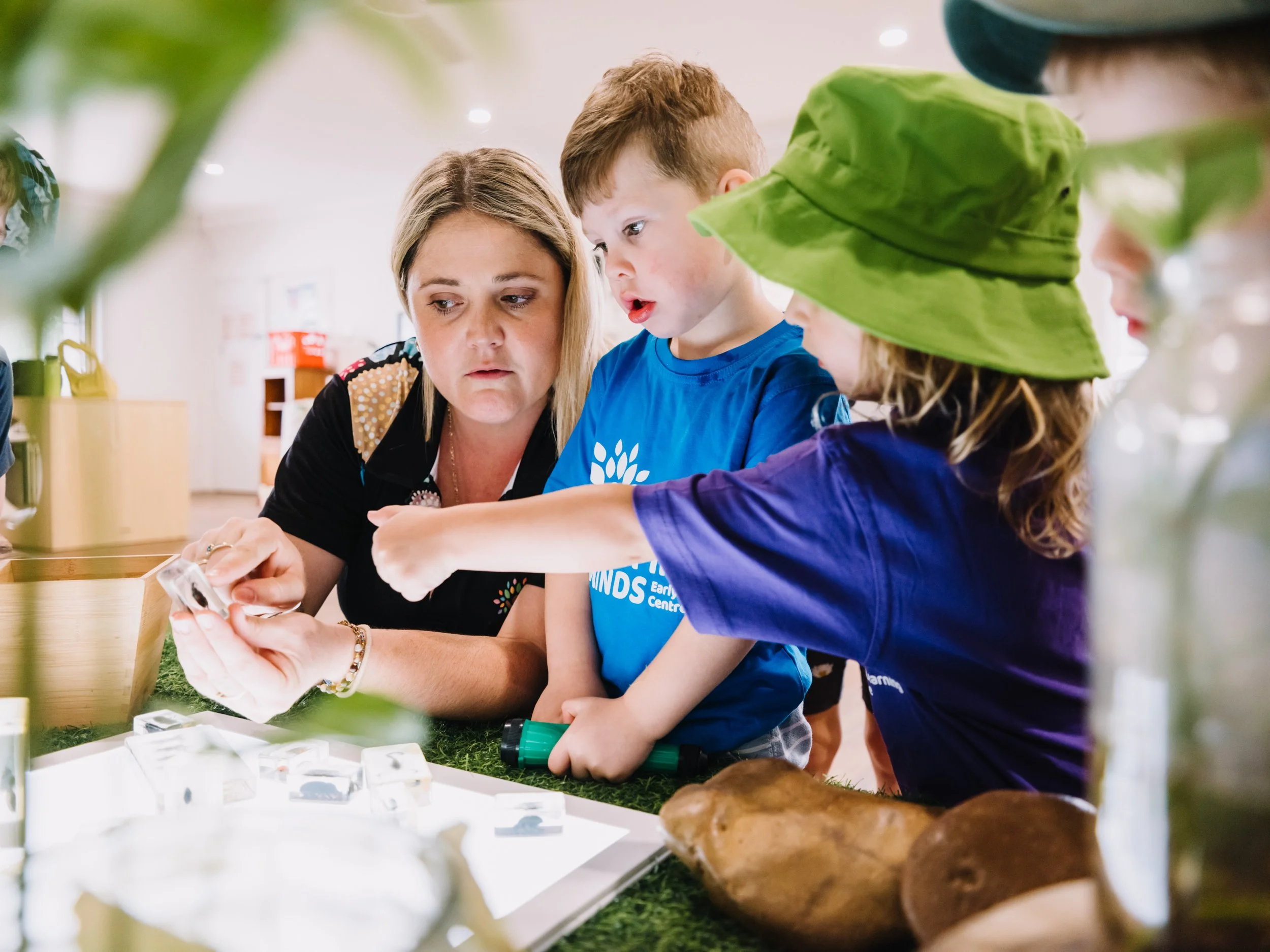
Without a typical language, these observations can be dismissed as discipline concerns or teenage grumpiness. With it, team record objectively, avoid leading inquiries, and rise problems through the right networks. The training does not transform teachers into detectives. It equips them to acknowledge problems early and pass them to experts with investigatory powers.
The legal style: responsibilities, thresholds, and privilege
Three legal principles drive compulsory child protection training.
Duty of treatment. Every teacher owes students a responsibility to take reasonable actions to avoid foreseeable injury. That obligation does not call for assurance, only sensible suspicion and punctual action. When an instructor is worried, the requirement is not to await proof, it is to seek advice from the school's child protection lead and adhere to the reporting pathway.
Mandatory reporting thresholds. Statutes define who have to report, what must be reported, and to whom. Thresholds normally make use of expressions like "belief on practical premises" or "reasonable suspicion" that a child goes to threat of substantial harm. Child protection programs show what counts as "practical grounds." Examples consist of disclosures, constant injury patterns, worrying caretaker practices, or specialist judgment based upon training.
Confidentiality and privilege. Staff usually ask, can I share this? The answer lies in two concepts. Initially, kid safety and security bypasses discretion where the legislation needs reporting. 2nd, only share info with those that require to recognize to protect the youngster. Training makes clear where team can securely speak with internally, exactly how to take care of subpoenas, and what to do when moms and dads request records that include delicate notes.
Inside CHCPRT025 and comparable units
The CHCPRT025 program, commonly delivered as a CHCPRT025 online course adhered to by evaluation, focuses on useful skills. Students reveal they can determine and report kids and young people at risk, not just recite interpretations. It covers:
- Indicators of misuse and neglect, including physical, sex-related, emotional, exposure to household physical violence, and collective harm. Responding to disclosures, with a focus on non-leading questions and prompt safety. Documentation criteria, consisting of objective notes, days, straight quotes, and dividing monitoring from interpretation. Reporting paths and the user interface with cops, legal child protection, and inner leadership. Cultural safety and security, impairment inclusion, and the influence of trauma on behaviour and learning.
A strong provider will weave in complicated situations, since reality hardly ever associate tidy groups. For example, a trainee self-harming may be experiencing misuse, psychological health and wellness challenges, or both. A child from a refugee background might present with injury responses that resemble various other concerns. A properly designed child protection training course aids personnel gather certain observations before they leap to conclusions.
When you complete the unit via a trusted licensed training organisation, you need to receive a child protection training certification or a CHCPRT025 certification you can present to your employer or enrollment body. Some departments of education and learning need their very own refresher course modules yearly, also if you hold an official credentials. That is not duplication so much as a way to guarantee your knowledge matches neighborhood plan and contacts.
How this looks in an institution year
In a regular college, child protection training 2025 may begin prior to students get here. New staff complete https://rentry.co/erdxpiy8 child protection online training that consists of regional reporting calls, acceleration steps, and policy updates. Returning personnel complete a refresher course that reviews key subjects and walks through any changes to the division of education and learning child protection training requirements.
During term, college leaders schedule brief support sessions. These might be 20-minute blocks in team conferences, each focused on a narrow topic: the difference between wellbeing notes and child protection documents, dealing with concerning social media sites material, or what to do when a parent reveals their own victimisation. Leaders additionally examine the system with desktop exercises. In one exercise, an educator obtains a partial disclosure from a pupil during yard duty. How do they react, whom do they tell first, and just how is the record produced? The objective is muscle memory.
By midyear, the school audits instance submits to examine whether observations are unbiased, days are appropriate, and reports were sent within needed durations. This type of inner check catches drift, like team keeping notes in individual diaries or using unclear language that would not stand in an evaluation. Toward completion of the year, elderly team update the training content for the following cycle and ensure each staff member's child protection certification is current.
What great training modifications in day-to-day practice
After strong child protection awareness training, three points change in class and corridors.
First, personnel language ends up being accurate. As opposed to "He seemed off," you see "Student reached 8:52 am, head down, did not reply to welcoming, flinched when another pupil raised voice, declined snack." Certain summaries help decision-makers examine threat without bias.
Second, timing enhances. Weak training produces postponed reporting as staff debate internally or look for evidence. Good training minimizes doubt. Team recognize that reasonable suspicion triggers action, and they lodge a report even when details are incomplete.
Third, communication with family members becomes more secure. Personnel find out when to engage parents and when to keep call since it could rise risk. They likewise learn exactly how to sustain families without appealing privacy they can not legally give.
Pitfalls and just how to avoid them
There are patterns I see in schools that have not ingrained training well.
Overreliance on the marked securing lead. Schools require a clear lead, but not a traffic jam. If one person fields every issue, hold-ups adhere to. Train everybody to take first actions, after that loop in the lead.
Training divorced from plan. Personnel find out abilities in a child protection course however can not discover the regional kind or the number to call. Construct training that points right into your school's exact process, down to the location of the reporting template.
Confusing health and wellbeing with security. Pastoral notes concerning sleep, state of mind, or relationship dispute belong in well-being documents. Allegations or observations showing damage belong in child protection documents with limited gain access to. Mixing the two produces threats when parents demand gain access to or when the school requires to show it acted.
Documentation creep. Staff often consist of opinions or conjecture in official notes. A more secure approach uses short valid records: what was seen, what was said, when, that existed, activities taken, and that was informed. Anything else belongs in reflective supervision, not in the main record.
Volatile call with caretakers. When a report needs to be made, some parents respond with anger. Team need preparation for those discussions. A straightforward fact assists: the legislation needs us to report concerns. We can not examine or examine. Our duty is to pass details to individuals who can.
Choosing the right child protection training course
The market for child protection training courses is busy, and quality differs. Institutions ought to search for several signals.
Accreditation and acknowledgment. If you need CHCPRT025 training, make sure the company is a signed up training organisation which the CHCPRT025 course causes a nationally identified statement. If you need a department-specific component, validate that the department recognises the provider.
Assessment that reflects reality. Be careful of checkbox quizzes that request for interpretations and absolutely nothing even more. Strong courses utilize scenario-based analysis where students compose short notes, make a decision whether thresholds are met, and map the appropriate coverage path.
Localisation. Excellent providers readjust advice for your state or territory and include current call information. Plans shift. Training has to keep pace.
Trainer know-how. Instructors that have actually operated in colleges or statutory child protection bring nuance to unclear circumstances. They can discuss why one record stands up in a tribunal and an additional does not.
Post-course assistance. Seek layouts, quick-reference guides, and brief refresher course videos. Staff are more probable to utilize a one-page list throughout a difficult minute than a 90-page manual.
What to anticipate in an online format
A child protection online training option suits schools that require flexibility. The far better CHCPRT025 online program designs use brief modules, differed media, and spaced repetition. Expect to invest 6 to 12 hours on a full system, consisting of evaluation. For division of education and learning child protection training refresher courses, many systems style 60 to 90 min modules that target updates.
Two warns use. First, on-line delivery should not imply isolation. Urge teams to complete modules within the very same fortnight, then debrief with each other to line up technique. Second, validate identity and evaluation honesty. Where the certification impacts employment qualification, companies must use practical checks prior to issuing a child protection training certificate.
Early childhood years and outside college hours care
Safeguarding in early youth settings overlaps with colleges, yet with distinct usefulness. Infants and toddlers can not verbalise the means older pupils can. Educators as a result rely greatly on physical signs, developmental cues, and caretaker interactions. A child protection course for child care should cover secure nappy change protocols, swelling patterns constant with accidental injury at various developing phases, and cautious interaction with households when worries occur in the context of day-to-day treatment routines. Proportions and rosters have to support instant escalation, given that a sole teacher can not always leave a room to call a hotline. In these setups, CHCPRT025 child protection training is usually paired with emergency treatment and risk-free sleep training to ensure that security practices align.
Building a society that maintains training
Training lasts a day, culture in 2015. Institutions that succeed weave child protection right into daily processes.
They normalise examination. Staff can step into an exclusive workplace and claim, "I need a second opinion," without really feeling disloyal to a household or alarmist. They arrange supervision for team handling complicated disclosures, recognizing the emotional load.
They develop low-friction devices. A pre-formatted electronic record that motivates for dates, quotes, and activities taken reduces errors. A laminated flowchart near the staffroom phone lowers reluctance. A shared schedule note for "securing min" maintains the subject to life without making it overwhelming.
They track end results. Not every record results in statutory activity, and that can irritate personnel. Leaders advise groups that the act of reporting issues. It produces a document, reveals a pattern, and may cause sustain via alternative pathways. Over a year, leaders examine aggregated data to change training focus.
What adjustments in 2025 and what still holds
Most child protection structures progress gradually, however a few patterns are visible in 2025.
Digital injury. More records involve on the internet grooming, image-based abuse, and peer-to-peer exploitation. Training needs to cover proof conservation, prompt safety steps, and when to include authorities. It needs to likewise include a prepare for managing pupil devices during an occurrence without polluting evidence.
Cumulative damage recognition. Systems are much better at acknowledging the weight of several lower-level issues in time. Personnel require to document patterns, not just situations. Your notes from February issue in October.
Cultural security. Institutions offer significantly diverse neighborhoods. Reliable training addresses exactly how prejudice can misshape danger evaluation, and exactly how to ensure Aboriginal and Torres Strait Islander kids, migrant communities, and students with disability experience security that values identification and rights.
Wellbeing combination. Child protection does not rest on an island. Trauma-informed method, practices assistance, and mental health and wellness interventions converge with safeguarding. Training now tends to put coverage in the context of whole-school well-being, so team see the full picture.
What still holds is the core: identify and report kids and young people in jeopardy, keep clear records, and prioritise safety and security without delay.

A practical sight of grey areas
No training removes uncertainty. Two instances come up often.
The hesitant discloser. A youngster mean damage yet draws back when asked to repeat. The risk is that a well-meaning grown-up shots to coax information, which can taint evidence. The much safer path is to mirror the kid's words precisely in a note, record the context, and seek advice. If the threshold is met, record even without an in-depth narrative.

The well-liked parent. Personnel often value connections with helpful caregivers. When issues direct towards someone the institution understands well, bias can sneak in. Identify the pull of that bias. That is why we rely on objective documents and legal thresholds, not gut feeling alone.
A simple, durable process you can show every staff member
Here is a five-step procedure I instruct brand-new personnel and review each year. It is not an alternative to your neighborhood policy, yet it lines up well with the majority of systems.
- Notice and paper. Compose quick, unbiased notes with dates and straight quotes. Consult promptly. Talk to the safeguarding lead or delegated leader the same day. Decide on security. If immediate danger, call emergency situation solutions. Or else, adhere to reporting limits for your jurisdiction. Report and record. Lodge the report via the assigned network and shop documents in the limited system. Follow up. Keep in mind the referral number, any type of recommendations offered, and next steps for assistance within the school.
This sequence assists staff act immediately, and it fits both straightforward and complex scenarios.
What an excellent certification provides for staff and schools
A child protection certificate, whether from CHCPRT025 or a division refresher course, is greater than a documents in human resources. It signifies to regulatory authorities and family members that the college invests in safety and security. For team, it constructs self-confidence to act without second-guessing. For leaders, it produces a defensible standard. If questioned months later, the college can show that the person entailed had current training, knew the procedures, and complied with them.
Certificates do end. Numerous employers set a 12 to 24 month refresh cycle, and divisions often need annual components. Track expiry dates as meticulously as emergency treatment. When new laws or plans change mid-cycle, issue a brief update instead of awaiting the next complete course.
Bringing it together
Mandatory child protection training makes day-to-day decisions much safer and quicker. It reframes uncertainty as a contact us to speak with, not a reason to wait. Whether your personnel complete a department component, a detailed child protection program straightened to CHCPRT025, or a combined method, the aims are the same: acknowledge risk, react with treatment, record cleanly, and record on time.
If you are responsible for execution, set formal discovering with practice. Use quick, practical scenarios. Walk to the phone you would actually use and discover the number. Open the design template you will finish and submit the very first 2 lines. Tiny reps currently prevent large errors on difficult days.
Above all, maintain the work human. Kids do much better when adults observe, pay attention, and act. Training sets the floor. Society lifts the ceiling.